

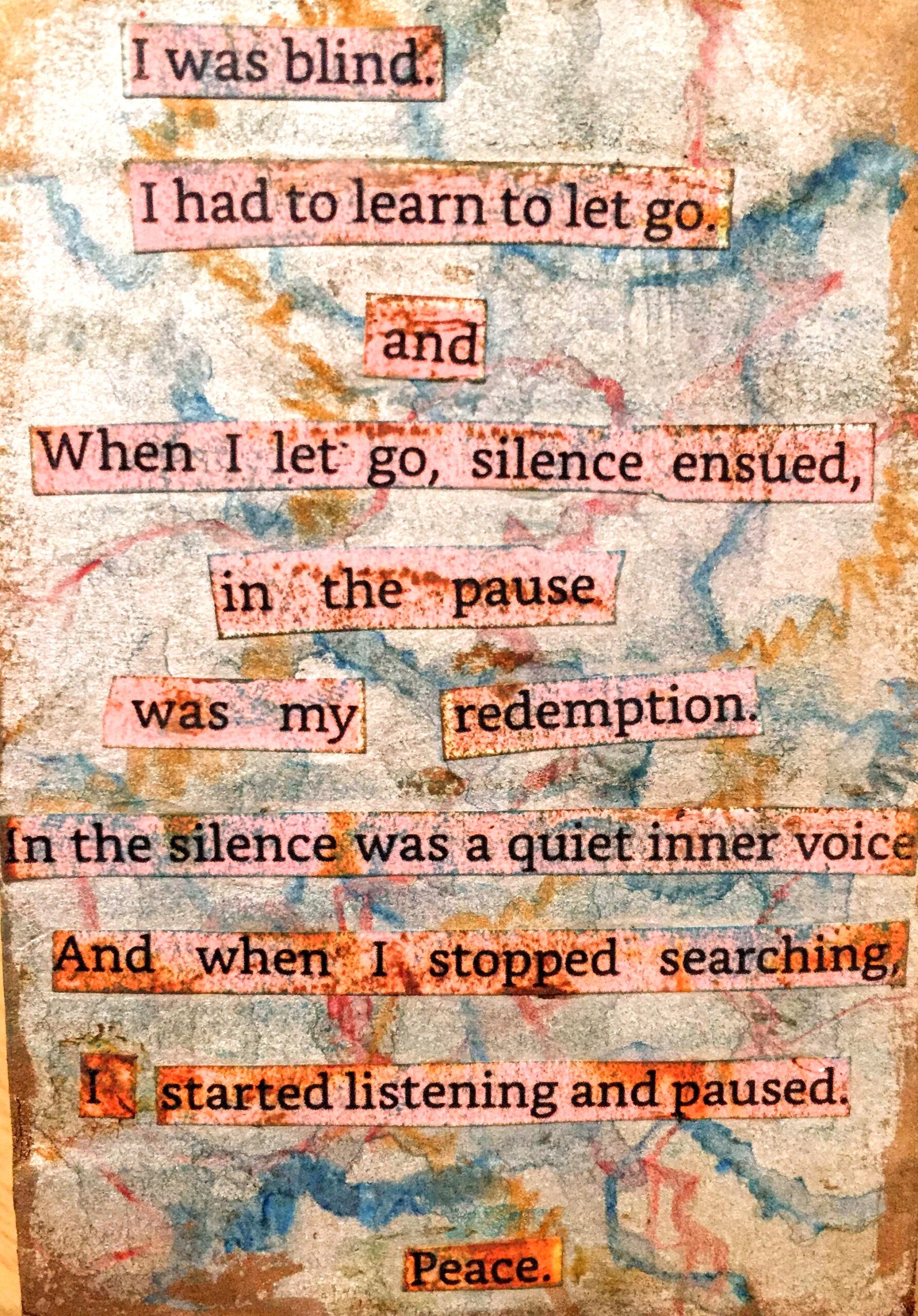
During a fractured moment in time where pantomime characters for world leaders embrace conflict and violence, podcasts trumpet the gospel of hustle, social media worships influencers like deities, and “more” is the measure of meaning, one cannot help but pause and ask: is ultra success a wise or worthy goal?
Through the pages of One Day One Life, I offer an alternative way of living to this ‘me’ driven narrative. My early journey, marked by social climbing then loss due to the doctrine of dedication, determination and discipline showed me that ‘more’ is a myth that hides a deeper human faultline. My subsequent redemption, fatherhood, and self-reckoning exposed a quieter truth: that peace, purpose, and presence might matter more than profit or prestige. Now, as a mature observer standing at the intersection of modern ambition and acquired, ancient wisdom, I offer five reasons why chasing “ultra success” may not be the path to a life well led.
1. Ultra Success Can Mask Inner Emptiness
In One Day One Life, I write about the years I spent chasing validation, through success, relationships, and reputation, only to find that none of it could quiet my internal unrest. Success often becomes a distraction, a glossy veneer over unexamined pain. We can “win” on the outside while crumbling within.
The danger? We build a life impressive to others but intolerable to ourselves.
2. It Distorts the Web of Relationships
My Web of Life model reveals how interconnected our roles, choices, and affections are. Success often comes at a cost: time with family, deep friendships, the quiet rituals that sustain us. When one strand of the life web—the career, the income, the ambition—overpowers the others, the whole web distorts or collapses.
The price? Success frequently demands sacrifice, but rarely asks permission from those who will pay it with you.
3. It Reduces Life to Metrics and Milestones
How many followers? How much revenue? How fast did you scale? The obsession with optimization turns people into products and life into a scoreboard. Why is it that meaning often arrives in small, unmeasurable places— holding the hand of your lover, watching your child sleep, forgiving yourself when you accept that enough is enough and change is a constant not to be avoided. And ultimately when you become bored with your own reflection you notice that the lights in the mirror are reflections of all those you have helped not the shiny baubles you have collected.
The facts? A good life isn’t a quarterly report nor a checklist of outcomes, it is a mosaic of presence and purpose.
4. It Ignores the Spiritual Cost
Perhaps the most poignant insight from One Day One Life is the spiritual drought that often underlies material abundance. I am not preaching, I am gently pointing to stillness, surrender, humility, and grace. The pursuit of ultra success leaves little room for those. It crowds out mystery with mastery. It trades wonder for control. It confuses leadership with self obsession.
The quote? “Peace is not the absence of craving, but the gentle presence of something deeper—awareness, humility, love.”
5. It’s a Moving Target That Never Loves You Back
The pursuit of success is insatiable. Every peak reveals a higher summit. Every accolade fades. It’s the mirage that moves as you approach. One Day One Life reminds us that fulfillment lies not in finally arriving, but in waking up. In walking slowly. In learning to live a single day—a single breath—with honesty and care.
The fact? Success won’t sit beside you when your soul is in pieces and it certainly won’t hug you back.
Conclusion: A Call to Reframe
One Day One Life doesn’t reject success—it redefines it. The book asks, “What if success meant living with integrity? Loving well? Facing yourself in the mirror without flinching?” Passion and purpose urge us to look beyond the glossy surface of ultra achievement toward a more grounded, human, and sacred version of a life well led.
The question isn’t “How much did you win?” it is “Who did you become?” And perhaps, that is the only success worth chasing.
And another final, intimate interrogation to face – who are you winning against?